Preparing for Q-Day: Post-Quantum Cryptography Explained
Quantum computers threaten to break the encryption that secures the internet. Discover what Post-Quantum Cryptography (PQC) is and how to prepare for the quantum future.
 IsMalicious Team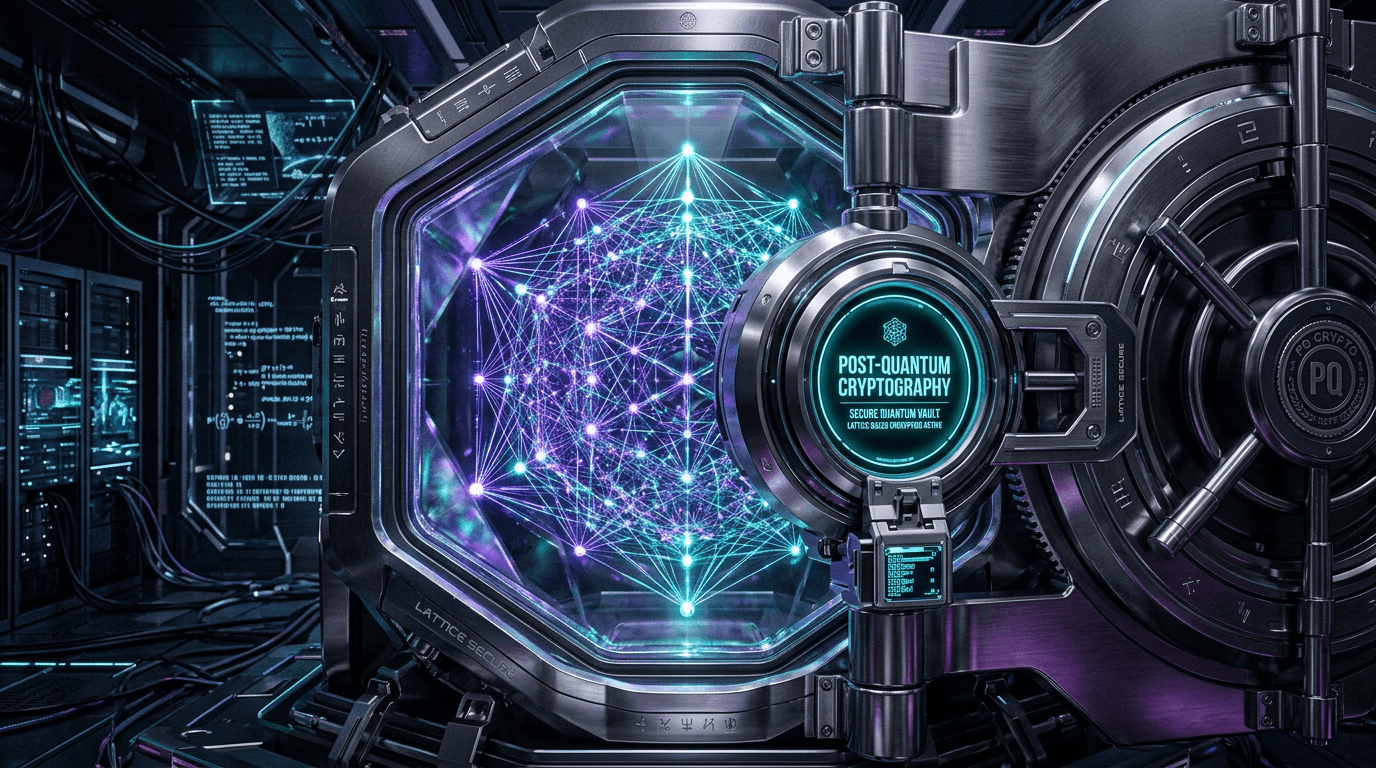
Q-Day is the hypothetical future date when quantum computers become capable of breaking current public-key encryption algorithms (like RSA and ECC). While Q-Day might be years away, the threat is present today due to "Harvest Now, Decrypt Later" attacks.
The Quantum Threat
Classical computers struggle to factor large prime numbers, which is the basis of RSA encryption. Quantum computers, using Shor's algorithm, could theoretically solve these problems exponentially faster, rendering our current cryptographic infrastructure obsolete.
What is Post-Quantum Cryptography (PQC)?
PQC refers to cryptographic algorithms that are thought to be secure against an attack by a quantum computer. These algorithms are based on different mathematical problems (like lattice-based cryptography) that are hard for both classical and quantum computers to solve.
NIST Standardization
The National Institute of Standards and Technology (NIST) has been leading a global competition to select standard PQC algorithms. In 2024, they released the first set of standards, including CRYSTALS-Kyber (for key encapsulation) and CRYSTALS-Dilithium (for digital signatures).
How to Prepare
- Crypto-Agility: Build systems that allow for easy swapping of cryptographic algorithms. Hard-coded crypto is a liability.
- Inventory Data: Identify long-lived sensitive data (e.g., trade secrets, health records) that might be targeted for "Harvest Now, Decrypt Later."
- Test PQC: Start experimenting with the new NIST standards in non-production environments.
Conclusion
The transition to PQC will be the largest cryptographic migration in history. Organizations that start preparing now will be resilient when the quantum era arrives.
Related articles
 STIX/TAXII Threat Feeds: Operational Guide for OpenCTI, MISP, and SIEM Pipelines
How to wire STIX 2.1 and TAXII 2.1 collections into OpenCTI, MISP, or your SIEM — what to poll, how to handle confidence and aging indicators, and where enrichment APIs fit alongside feed ingestion.
 Quantum Computing Threats to Encryption: A 2026 Perspective
As quantum supremacy nears, the threat to RSA and ECC encryption becomes existential. This analysis explores Post-Quantum Cryptography (PQC) migration strategies for security teams and the immediate risks of Harvest Now, Decrypt Later (HNDL) attacks.
 Phishing Explained: How to Check a Domain for Threats
What is phishing? Learn how to spot fake websites and check domains for threats before you enter your personal information.
Protect Your Infrastructure
Check any IP or domain against our threat intelligence database with indexed records.
Try the IP / Domain Checker