The Rise of API Attacks: Protecting the Modern Attack Surface
APIs are the connective tissue of the modern web, and they are under attack. Explore the unique vulnerabilities of APIs and how to secure them.
 IsMalicious Team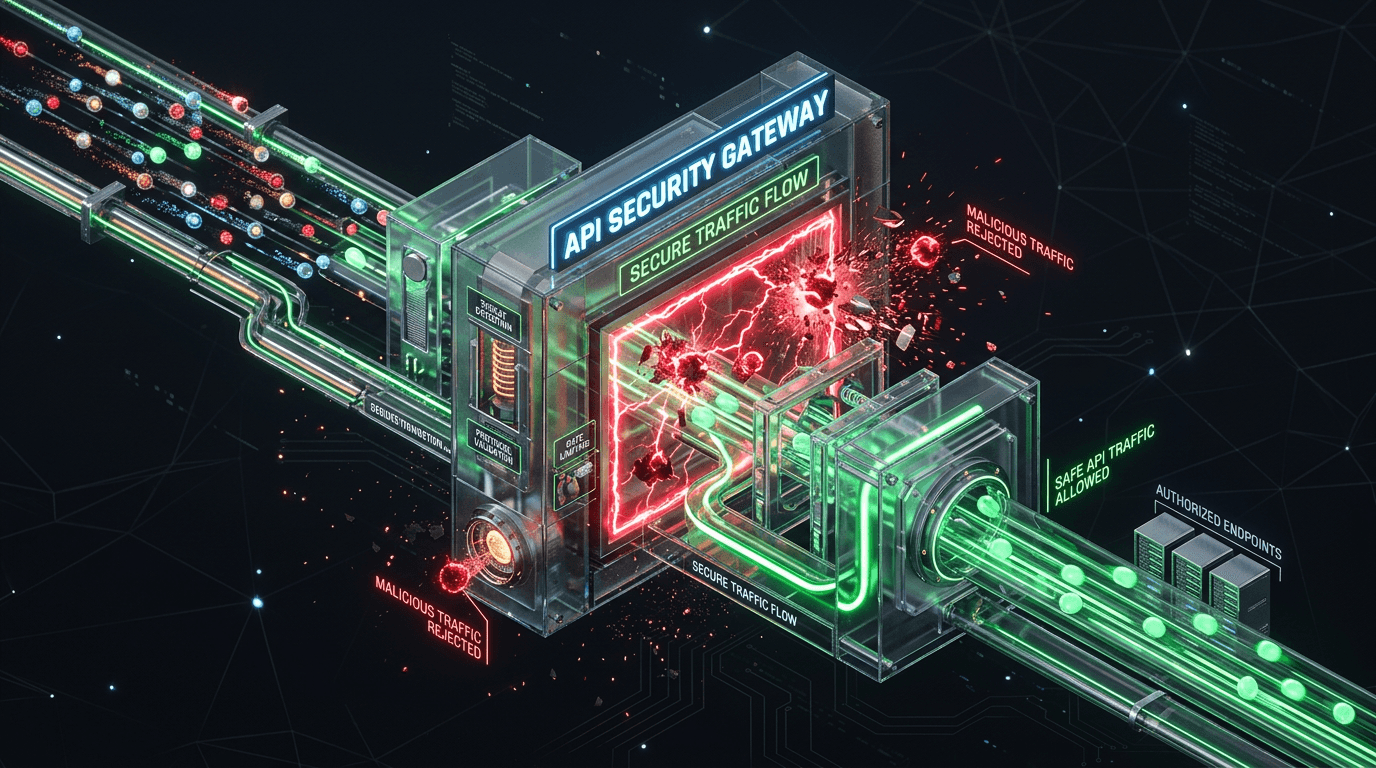
As organizations rush to digitally transform, Application Programming Interfaces (APIs) have become the backbone of modern software. They connect mobile apps to backends, microservices to each other, and businesses to partners.
However, this ubiquity has made APIs a prime target for attackers.
Why APIs are Vulnerable
Unlike traditional web applications, APIs often expose the underlying logic and data structure of an application.
- Over-Permissioning: APIs frequently return more data than the client needs, relying on the client to filter it (Mass Assignment).
- Broken Authentication: Many APIs lack short-lived credentials, audience restrictions, or credential rotation, especially for machine-to-machine communication.
- Rate Limiting Gaps: Without proper throttling, APIs are susceptible to Denial of Service (DoS) and brute-force attacks.
The OWASP API Security Top 10
The Open Web Application Security Project (OWASP) maintains a specific list for API vulnerabilities. Key threats include:
- Broken Object Level Authorization (BOLA): An attacker can manipulate the ID of an object (e.g.,
user_id=123) to access another user's data. - Broken User Authentication: Weaknesses in session management or credential handling.
- Excessive Data Exposure: Returning full object properties instead of a specific subset.
Securing Your APIs
- Inventory Everything: You cannot protect what you don't know exists. Maintain an up-to-date catalog of all APIs (Shadow APIs are a major risk).
- Implement Strong Auth: Use standards like OAuth 2.0 and OpenID Connect.
- Validate Input: Treat all data from API requests as untrusted.
- Rate Limit & Throttle: Prevent abuse by limiting the number of requests a client can make.
- Use an API Gateway: Centralize security policies, monitoring, and enforcement.
Conclusion
API security requires a shift in mindset. It's not just about protecting the perimeter; it's about securing the data flow itself. By understanding the unique risks of APIs, developers and security teams can build more resilient applications.
Related articles
 isMalicious API: Make Your First Reliable IOC Lookup
Call the current isMalicious IOC endpoint safely, handle failures, log useful evidence, and move from a terminal test to production.
 Best Threat Intelligence APIs in 2026
isMalicious, VirusTotal, AbuseIPDB, OTX, Shodan, URLhaus — free tiers, rate limits, coverage, and which API fits which job, in one table.
 API Security Best Practices: Defending Against the OWASP Top 10
APIs are the backbone of modern applications but are often left vulnerable. Learn how to secure your APIs against common attacks like broken object level authorization and injection.
Protect Your Infrastructure
Check any IP or domain against our threat intelligence database with indexed records.
Try the IP / Domain Checker