Cognitive Hacking: The Battle for Your Mind
Cognitive hacking targets the user, not the machine. It manipulates perception and decision-making through disinformation and psychological triggers.


Hacking the Human OS
Traditional hacking exploits software vulnerabilities. Cognitive hacking exploits psychological vulnerabilities. The goal is not to steal data, but to change behavior—to make you click, vote, buy, or panic.
Techniques of Influence
- Disinformation: Spreading deliberately false information to sow confusion.
- Social Engineering: Manipulating individuals into divulging confidential info.
- Dark Patterns: UI designs that trick users into doing things they didn't mean to (e.g., impossible-to-cancel subscriptions).
The Role of AI
AI has accelerated cognitive hacking. Deepfakes can create convincing videos of CEOs ordering wire transfers. Chatbots can engage thousands of people simultaneously with personalized propaganda.
Defense: The Human Firewall
- Security Awareness Training: Teaching employees to recognize manipulation tactics.
- Verification: Always verifying requests for sensitive actions through a second channel.
- Skepticism: Treating unsolicited emotional appeals with caution.
Related Reading
Related articles
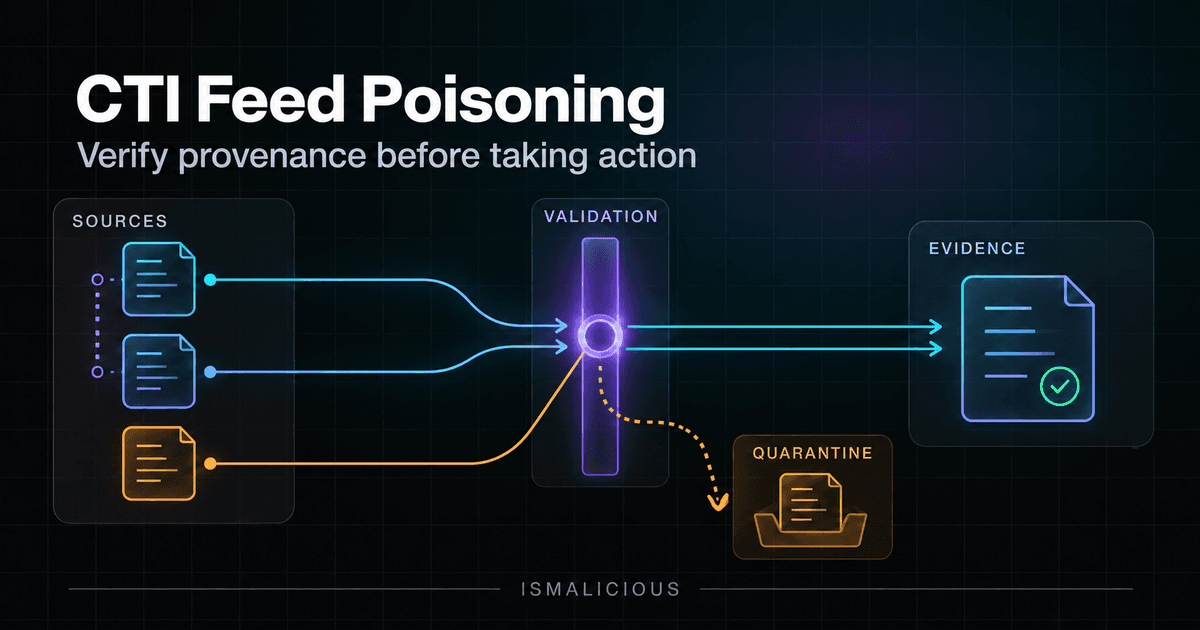 Threat Intelligence Feed Poisoning: Protect Your Evidence
Protect CTI decisions from misleading data with source provenance, mirror detection, contradiction handling, safe ingestion, human review, and tested rollback.
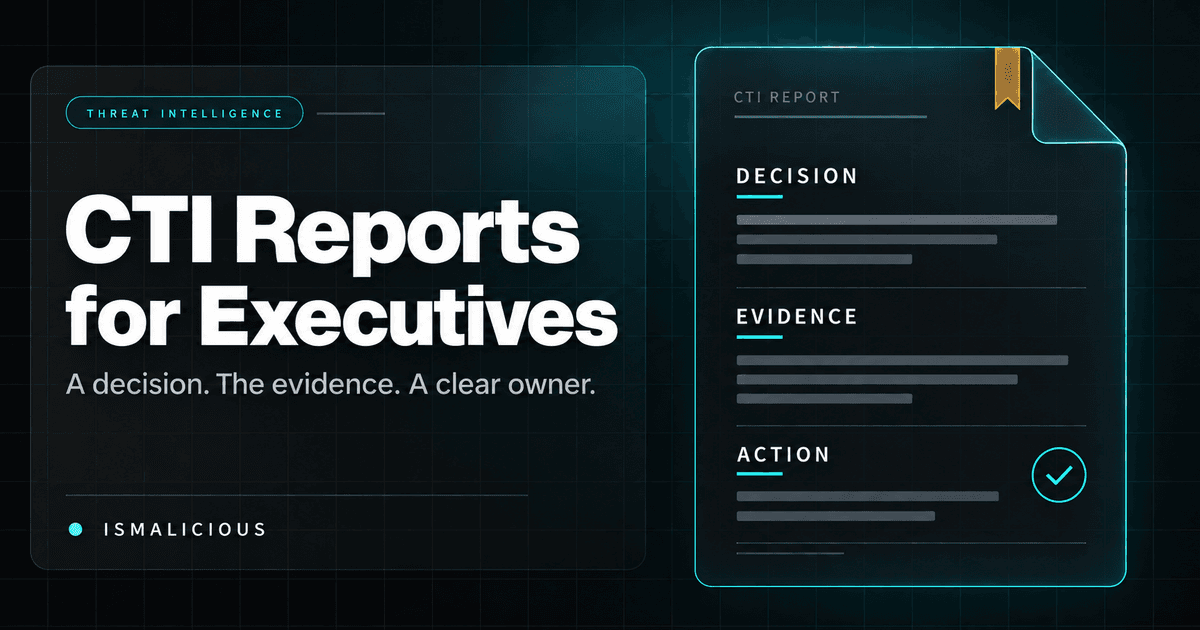 Threat Intelligence Reports for Executives: A Practical Template
Write a CTI brief executives can use: the required decision, business impact, evidence, uncertainties, options, and follow-up, with a template and worked example.
 IP Blacklisted? Check for a False Positive Before Blocking
Check DNSBL scope, shared IPs, stale evidence and lookup errors to find why an IP was blacklisted and choose a proportionate response.
Protect Your Infrastructure
Check any IP or domain against our threat intelligence database with indexed records.
Try the IP / Domain Checker