Ingénierie de détection
appliquée
Règles de détection prêtes pour la production, guides d’intégration et playbooks de réponse à incident — branchés sur l’API REST publique à api.ismalicious.com.
Endpoints utilisés dans ces playbooks
Les guides suivent le même contrat que la spécification OpenAPI.
- GET
api.ismalicious.com/checkAnalyse complète (requête + niveau d’enrichissement facultatif)
- GET
api.ismalicious.com/check/reputationCompteurs de réputation agrégés (plus léger que /check complet)
- GET
api.ismalicious.com/bulk/checkLimites de l’offre et consommation pour les lots
- POST
api.ismalicious.com/bulk/checkDomaines, IP et URL groupés dans une seule requête JSON
- GET
api.ismalicious.com/blocklist/statsNombre d’entrées et dates de mise à jour (sans authentification)
- GET
api.ismalicious.com/blocklist/download/blocklist-ips-critical.txtBlocklists en texte brut (complètes ou échantillon selon l’offre)
Tous les playbooks
Filtrez par difficulté ou par rôle. Chaque carte indique l’offre minimale pour exécuter les exemples d’API.

Ingest Threat Intelligence over TAXII Without Vendor Tools
Share and ingest threat intelligence using open standards: pull STIX 2.1 indicators from a TAXII 2.1 feed with curl, jq, and cron — then plug the same feed into Splunk, Elastic, OpenCTI, or MISP.
A daily TAXII 2.1 sync that walks the full isMalicious indicator set with curl and cron, stays incremental with added_after, and feeds your SIEM or TIP — using nothing but open standards.
 Jean-Vincent QUILICHINI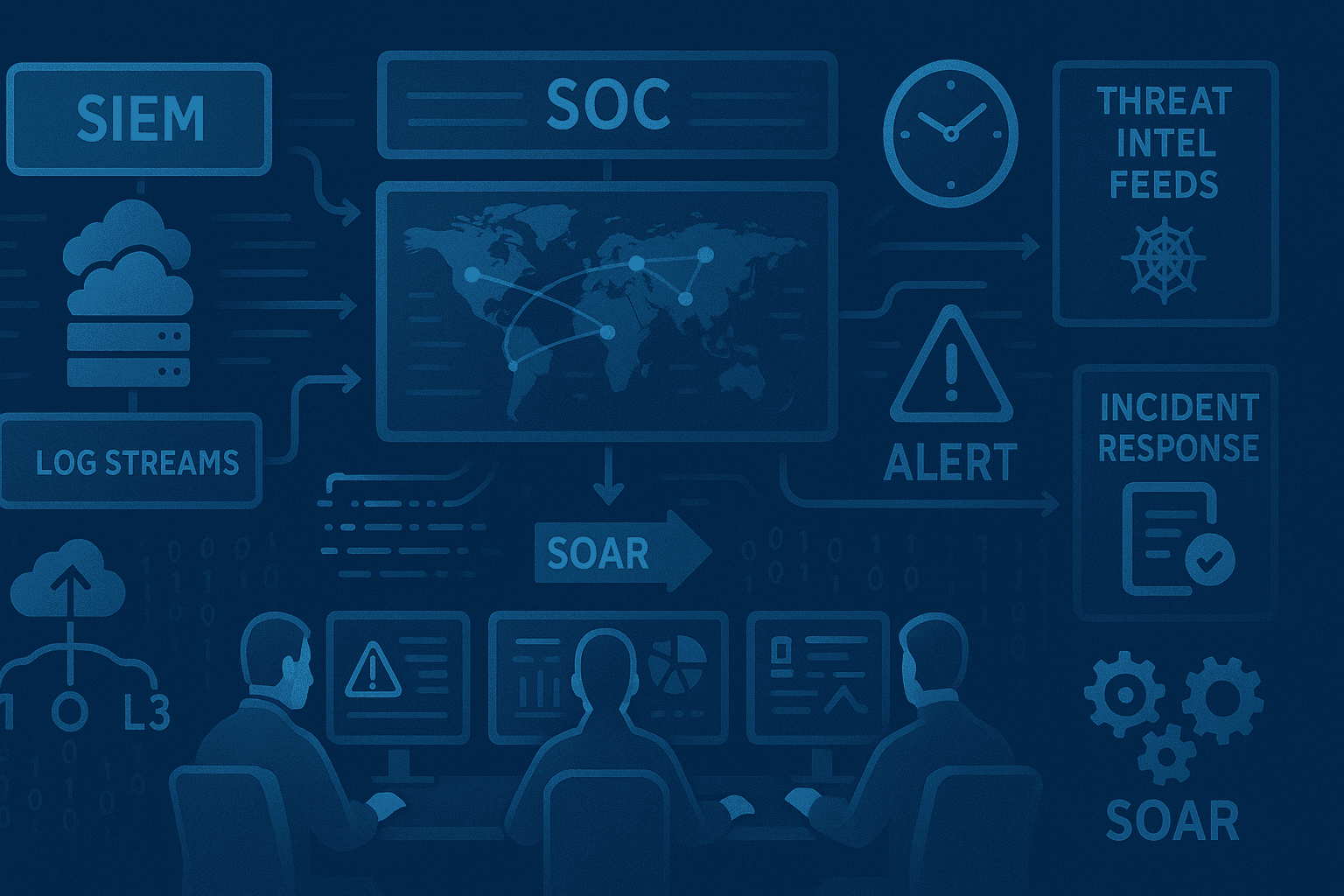
CVE Prioritization with KEV, EPSS, and isMalicious
Build an API-driven vulnerability queue that combines CISA KEV, EPSS exploit probability, and CVSS severity from isMalicious CVE data — so patch teams fix what attackers exploit first.
A ranked CVE remediation list that surfaces KEV-listed and high-EPSS vulnerabilities first, with direct links to full isMalicious CVE reports.
Jean-Vincent QUILICHINILightweight Reputation Checks vs Full Threat Analysis
Choose GET /check/reputation when you only need vendor-style verdict counts, and reserve GET /check for investigations. Includes curl examples and when to add /check/whois or /check/location.
A clear decision tree for API calls: faster reputation polling for high-volume paths, full /check for triage, and narrow endpoints for geo or WHOIS-only questions.
Jean-Vincent QUILICHINI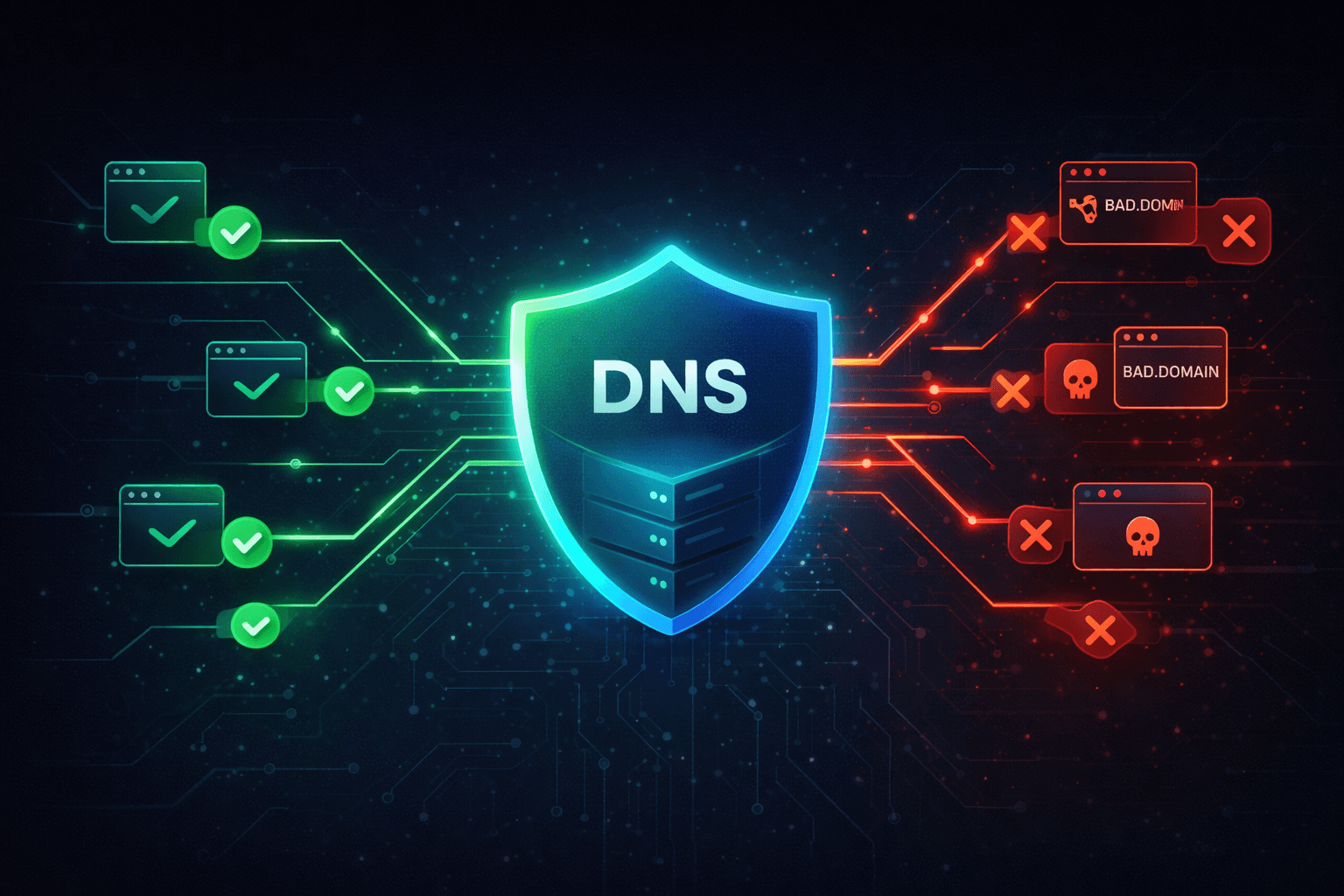
Automating Malicious IP and Domain Blocklist Downloads
Use GET /blocklist/stats for freshness, then GET /blocklist/download/{filename} to pull plain-text lists into your WAF, DNS firewall, or SOAR— with curl, diff, and cron-friendly patterns.
A scheduled job that downloads the correct blocklist file for your plan, detects changes, and feeds only deltas into downstream controls—aligned with the public HTTP API.
Jean-Vincent QUILICHINIBulk IOC Triage with the isMalicious Batch API
Turn a CSV or SIEM export into scored verdicts in minutes. Use GET /bulk/check for limits, then POST /bulk/check with mixed domains, IPs, and URLs—curl and Python included.
A repeatable batch pipeline that classifies hundreds of IOCs per run with per-entity malicious flags, confidence, source counts, and categories—without hammering single-entity endpoints.
Jean-Vincent QUILICHINI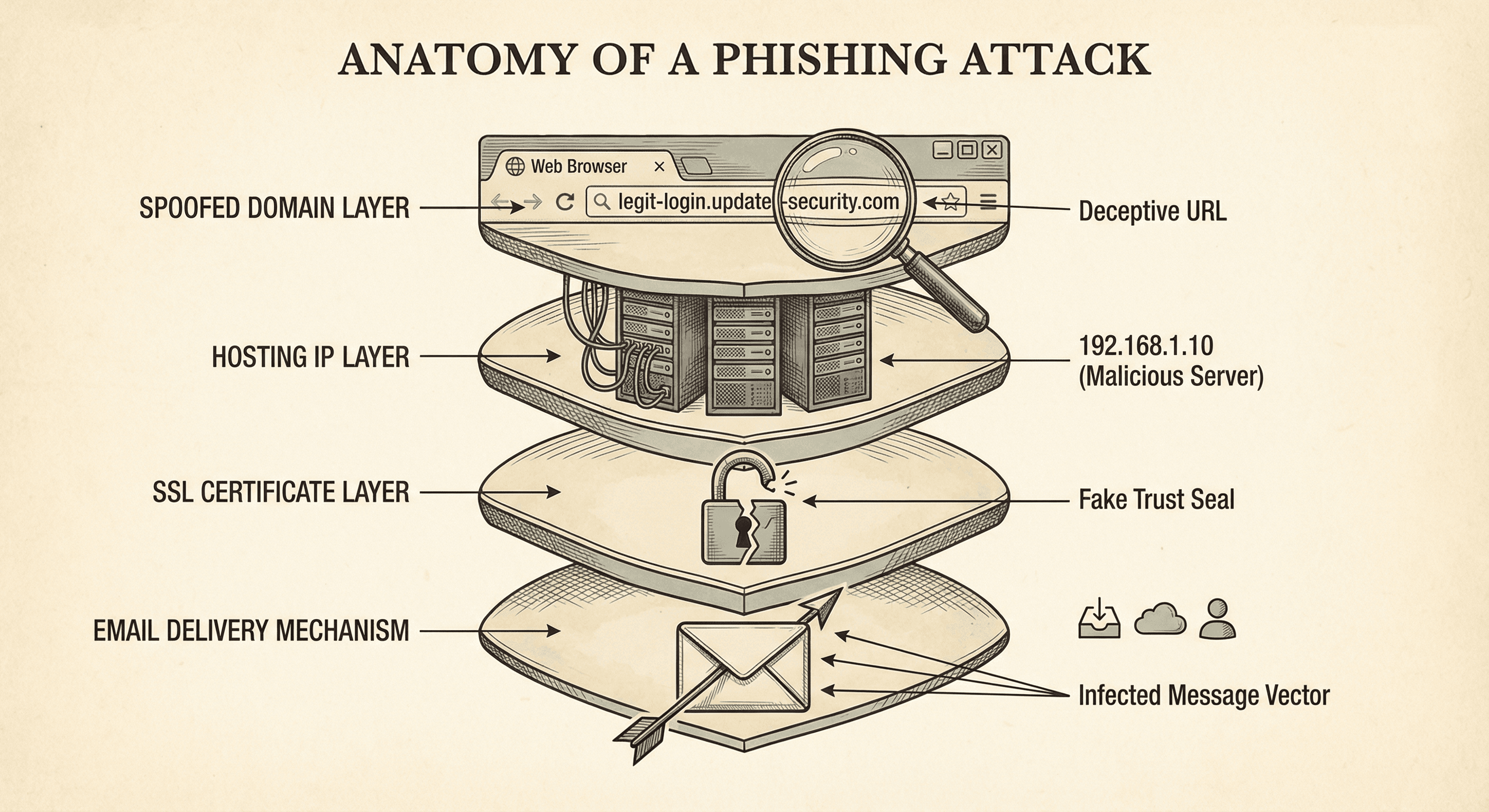
Phishing Domain Detection with Typosquatting Analysis
Build an automated pipeline to detect phishing domains targeting your brand. Uses typosquatting generation, DNS resolution, and isMalicious reputation checks to catch threats before victims do.
An automated daily scan that detects typosquatting domains targeting your brand, with live reputation checking and alerting when a suspicious domain becomes active.
Jean-Vincent QUILICHINIBlocking Malicious IPs with Firewall Automation
Automatically update firewall blocklists using isMalicious threat data. Covers pfSense, iptables, Palo Alto, and cloud security groups (AWS/GCP/Azure). Zero manual effort after setup.
A cron-driven pipeline that automatically blocks malicious IPs at the network edge, updated every 6 hours from observed threat activity intelligence.
Jean-Vincent QUILICHINIEnriching SIEM Alerts with isMalicious Threat Intel
Integrate isMalicious API into Splunk and Elastic to auto-enrich every alert with IP/domain reputation, categories, and risk scores. Includes lookup tables and correlation searches.
Every SIEM alert automatically enriched with threat reputation, category, and confidence score — cutting triage time by up to 60%.
Jean-Vincent QUILICHINI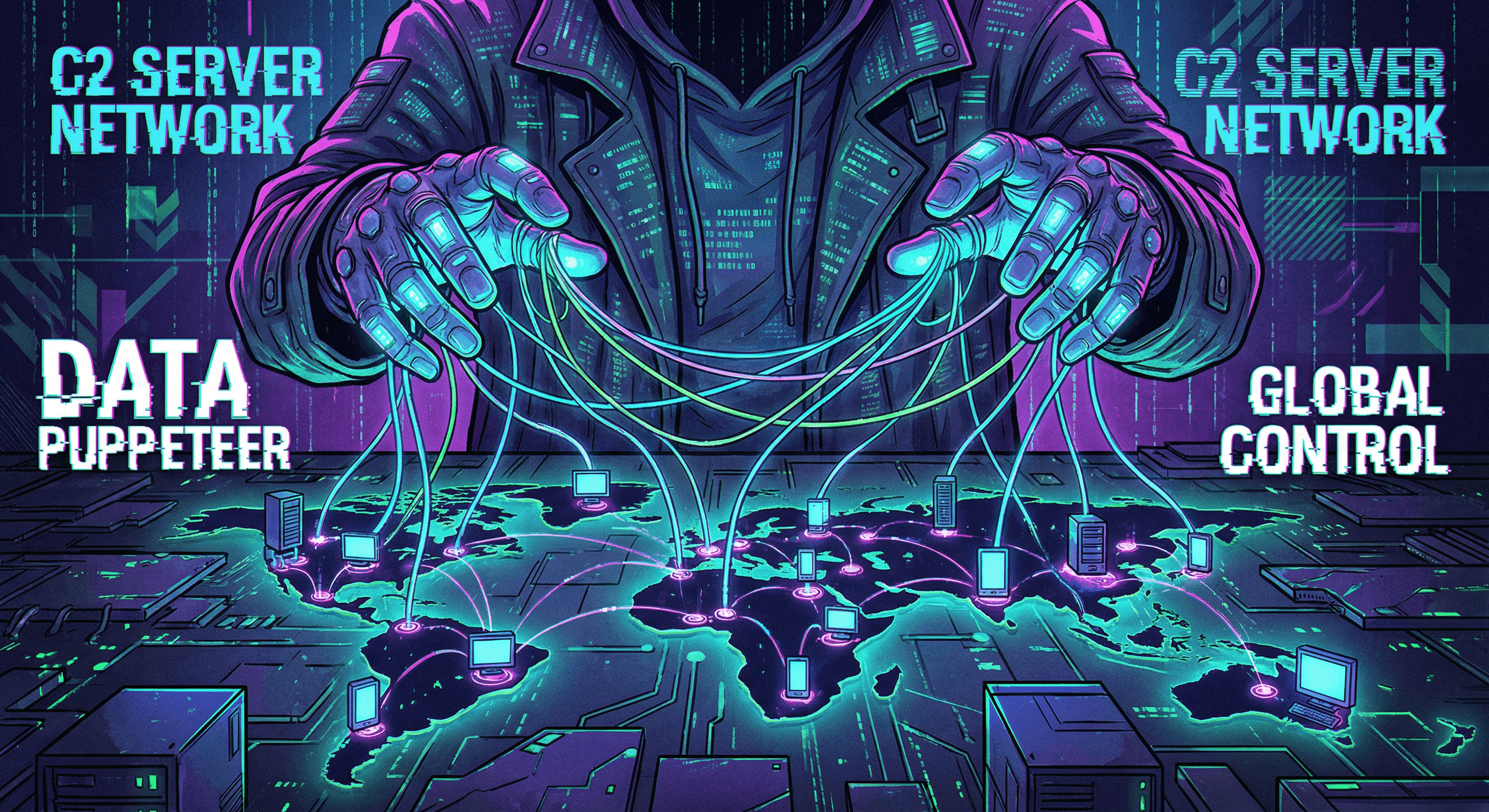
Detecting C2 Beacons with YARA Rules
Build and deploy YARA rules to detect Command & Control beacon traffic in your network. Includes copy-paste rules for Cobalt Strike, Sliver, and Metasploit.
A set of production-ready YARA rules that detect Cobalt Strike, Sliver, and Metasploit C2 beacons, integrated into your SIEM pipeline.
Jean-Vincent QUILICHINIQuestions fréquentes
Que sont les playbooks isMalicious ?
Des guides pas à pas pour les équipes sécurité : règles de détection (YARA, SIEM), procédures de réponse à incident et intégrations qui appellent l’API publique de renseignement sur les menaces, à https://api.ismalicious.com. Chaque playbook contient des exemples à copier-coller et à adapter.
Comment authentifier les appels d’API dans ces guides ?
Utilisez l’en-tête X-API-KEY avec la chaîne apiKey:apiSecret encodée en Base64, récupérée dans le tableau de bord (Compte → API). Le même schéma vaut pour /check, /bulk/check et les téléchargements de blocklists.
Où se trouve la référence officielle de l’API ?
La documentation interactive et la spécification OpenAPI sont sur ismalicious.com/api-docs. Vous pouvez aussi tester des requêtes dans l’API Playground, sur ismalicious.com/api-docs/playground.
Les playbooks remplacent-ils le rapport web ou le tableau de bord ?
Non. Le tableau de bord et les rapports ponctuels s’adressent aux analystes ; les playbooks montrent comment automatiser le même renseignement dans votre SIEM, vos pare-feu ou vos scripts, via l’API REST.
Quels endpoints d’API les playbooks utilisent-ils ?
Les guides s’appuient sur des endpoints documentés : GET /check, GET /check/reputation, POST /bulk/check, GET /blocklist/stats et GET /blocklist/download/{filename}. Les URL et les paramètres correspondent à la spécification OpenAPI.
Les limites de débit et les offres sont-elles documentées ?
Oui. L’offre gratuite donne un accès API limité en débit (50 requêtes/mois), des lots de 10 indicateurs au plus et 5 entités surveillées ; l’offre Pro (99 €/mois) porte ce chiffre à 10 000 requêtes/mois et ajoute des lots plus grands, davantage d’entités surveillées, le flux SSE et les webhooks. Voir /pricing pour la grille complète.
Lancez-vous dès aujourd’hui
Clé d’API gratuite, 50 vérifications/mois, sans carte bancaire. Essayez n’importe quel playbook sur l’offre gratuite ; les exécutions quotidiennes et les workflows en masse ou en streaming demandent Pro.
Sans carte bancaire · 50 vérifications gratuites/mois · Clé d’API gratuite
Recevoir les nouveaux playbooks par e-mail
Un court e-mail à chaque publication. Pas de spam, désabonnement à tout moment.